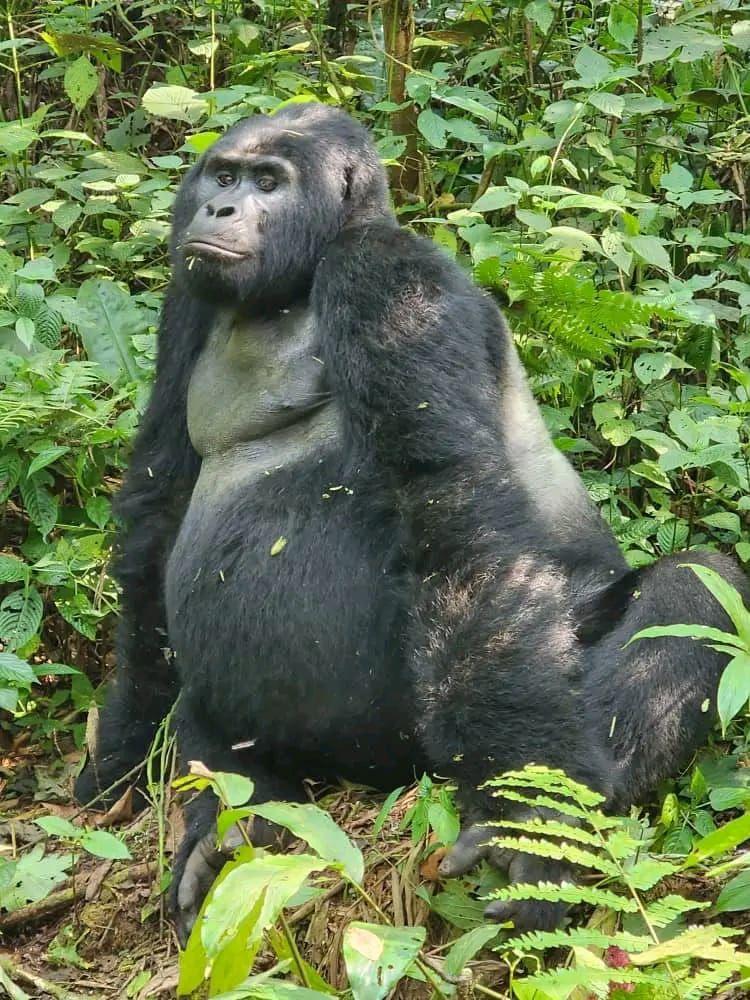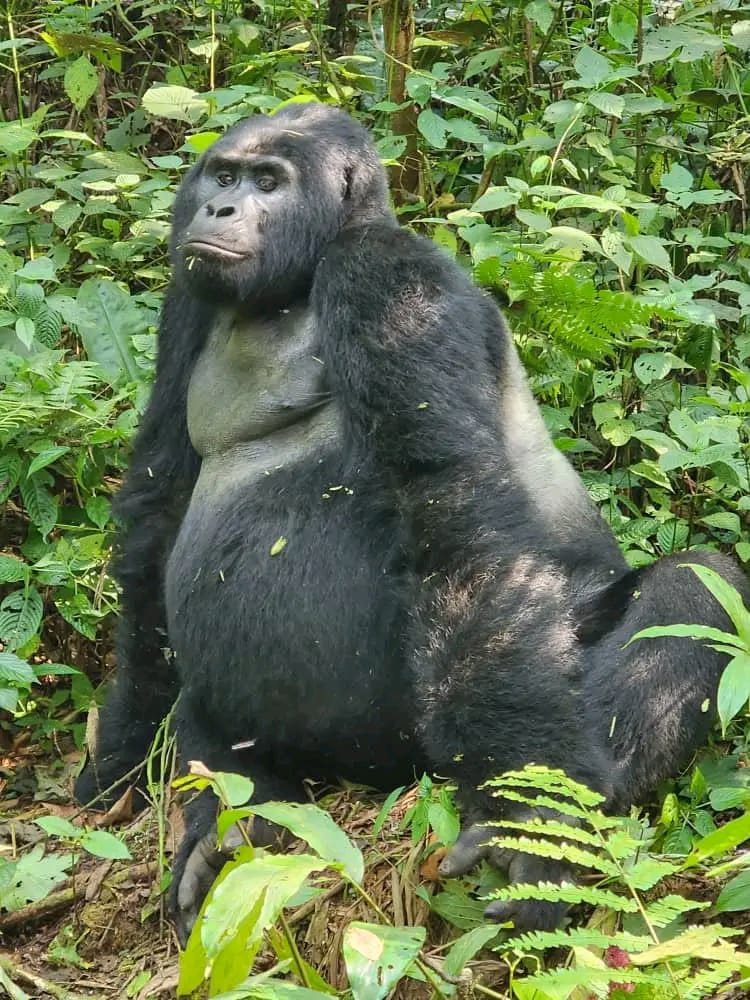
A mountain gorilla silverback foraging in Bwindi's undergrowth
Bwindi Impenetrable National Park

Half the world's gorillas, one ancient forest.

A UNESCO World Heritage rainforest older than the last Ice Age, tangled with vines and 1,000-year-old hardwoods — and home to roughly half of all the mountain gorillas left on Earth. Four separate trekking sectors mean more permits, more habituated families, and more ways into the same extraordinary hour.

Location
South-western Uganda
Gorilla permit
USD 800 per person
Ideal stay
2 nights
Highlight
Face-to-face gorilla trekking
The story

A place that rearranges what you thought travel could feel like.

Four sectors, one forest

Bwindi isn't a single trekking base but four: Buhoma in the north, Ruhija to the east, and Rushaga and Nkuringo in the south. Each has its own habituated gorilla families, its own terrain, and its own character — which is why where you stay matters as much as when you go.
The forest itself

'Impenetrable' isn't marketing. Bwindi's 321 square kilometres are among the most biodiverse in Africa — over 400 plant species, 350 bird species, and a canopy so dense that GPS trackers and radio calls, not sightlines, are how rangers locate each gorilla family every morning before trekkers set out.

More than gorillas

Beyond the primary draw, Bwindi borders Batwa forest communities whose guided cultural walks are among Uganda's most genuine encounters, and its lower trails offer birding rivalled by few other parks on the continent — including 23 species found nowhere else in Uganda.

In pictures

Moments from Bwindi Impenetrable.

Silverback gorilla foraging in Bwindi's undergrowth
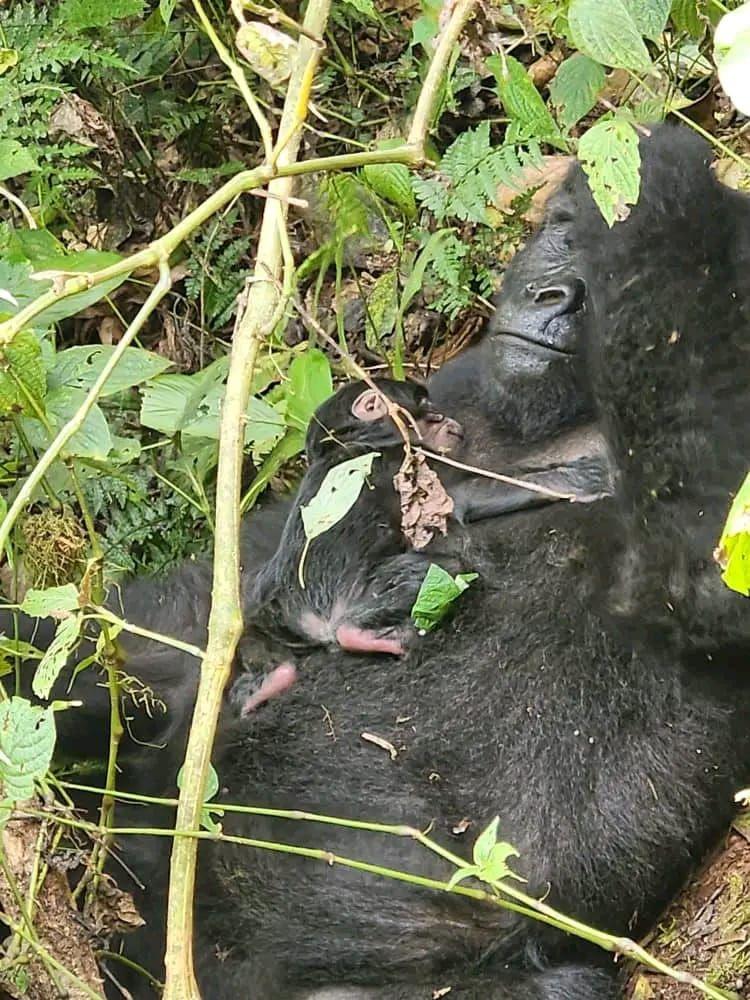
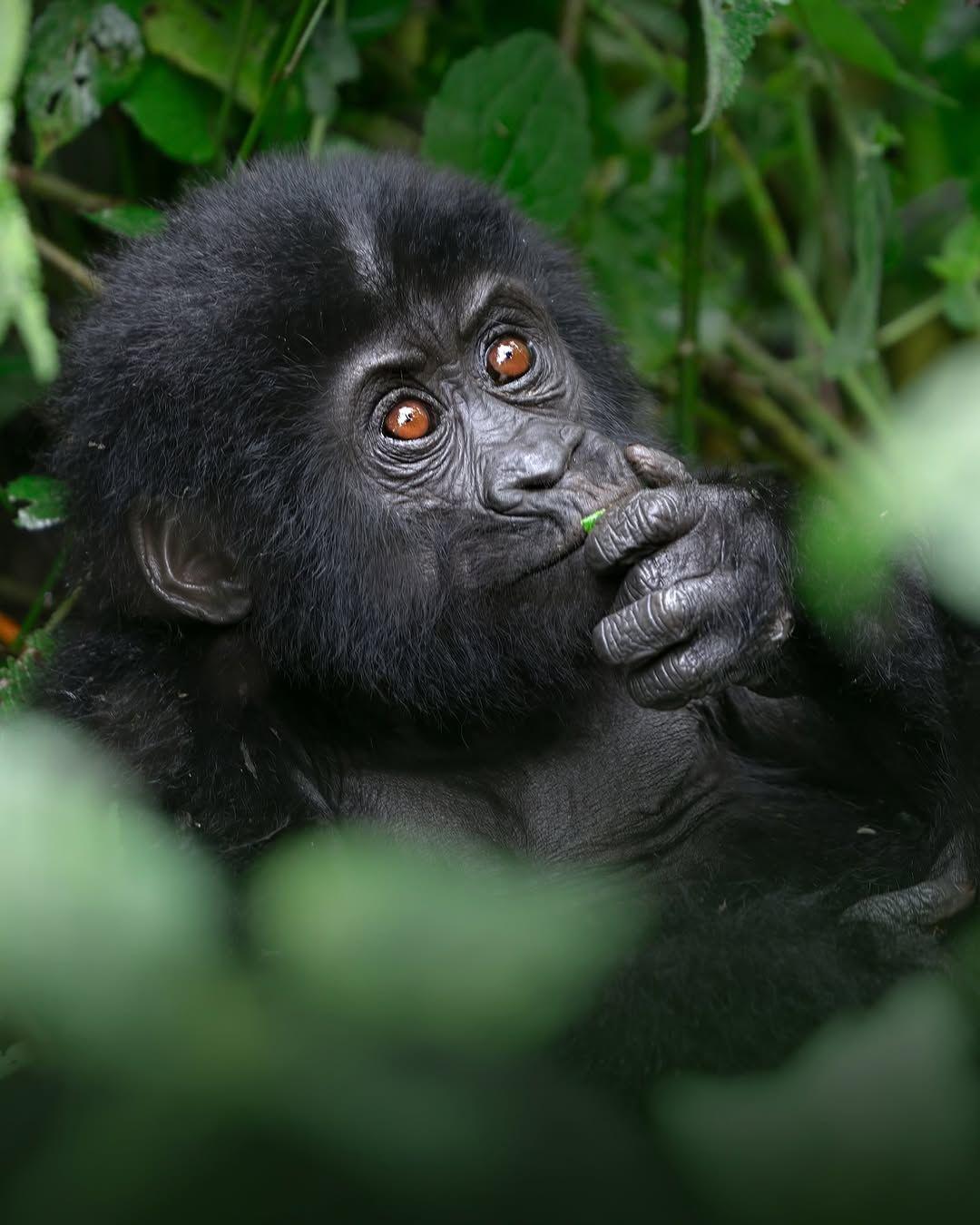
A young gorilla feeding in the forest
Trackers on the gorilla trail in Bwindi
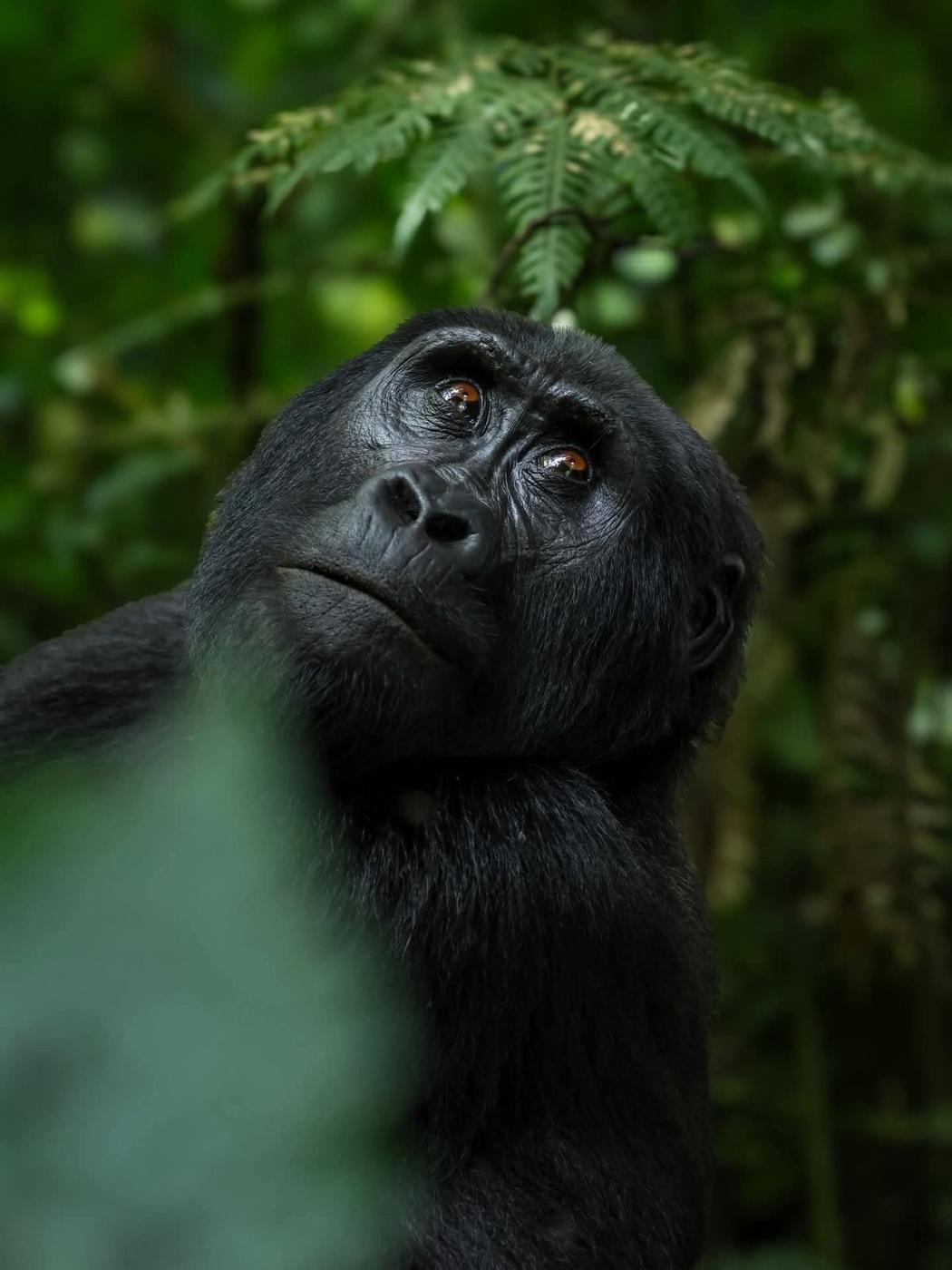
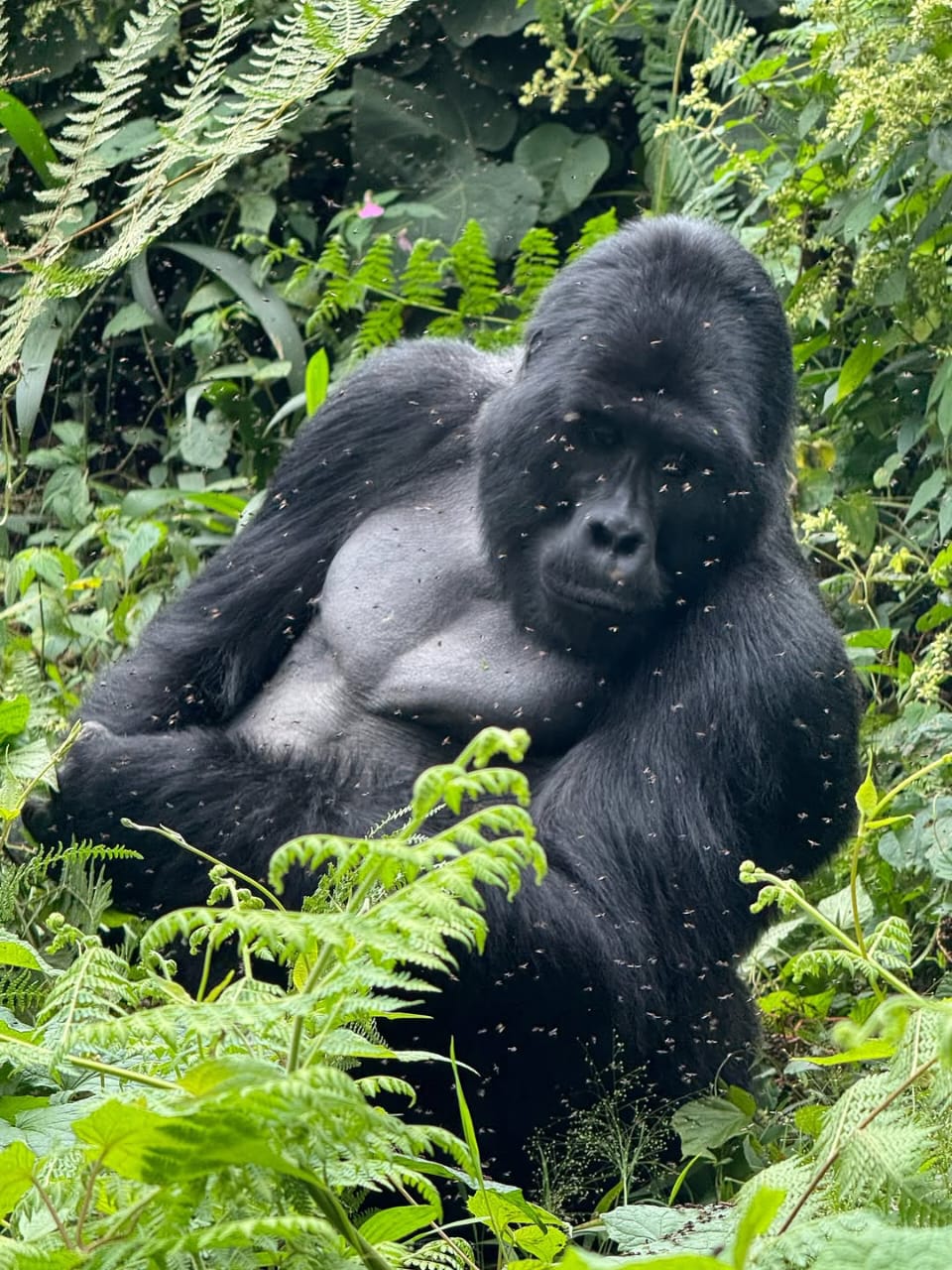
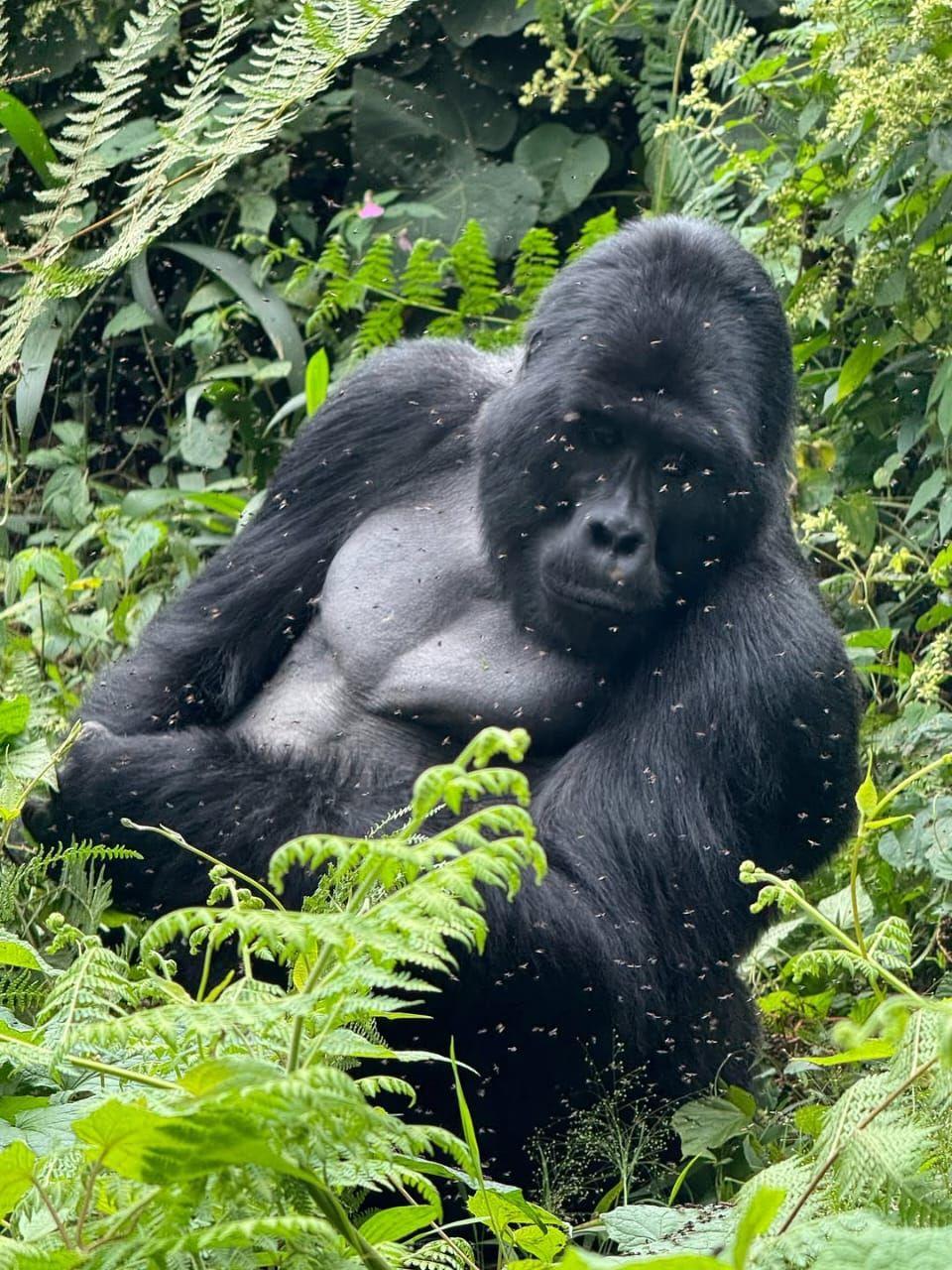
Face to face with a Bwindi gorilla family
Mountain gorilla pausing mid-forage, Bwindi
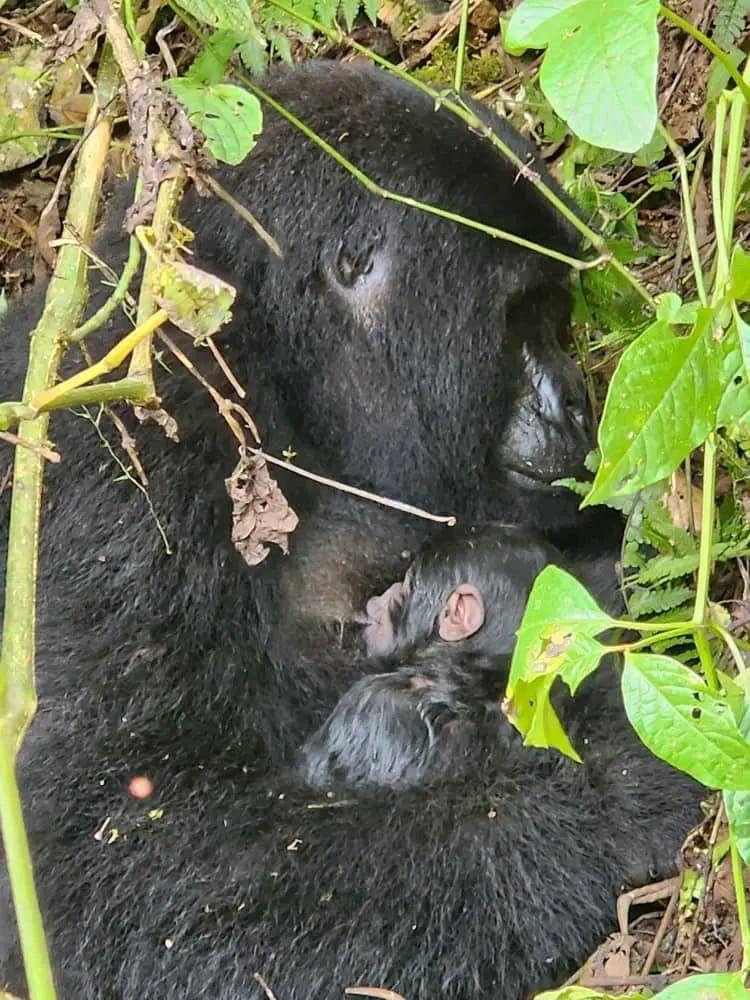
A gorilla family resting in the Bwindi undergrowth
Why travellers love it

The moments that make Bwindi Impenetrable unforgettable.

Half the world's mountain gorillas

The single largest population of mountain gorillas anywhere, across four trekking sectors.

Gorilla Habituation Experience

In Rushaga, spend up to 4 hours with a family still being habituated, instead of the standard one hour.

Batwa cultural encounters

Guided walks with the forest's original inhabitants, displaced when Bwindi became a protected park.

World-class birding

350 species recorded, including 23 found nowhere else in Uganda.

Ancient, untouched rainforest

One of the few African forests to have survived the last Ice Age intact.

Choice of four distinct sectors

Buhoma, Ruhija, Rushaga and Nkuringo each offer a different pace, altitude and view.

Sample itinerary

A rhythm shaped around wonder, not schedules.

Day 01
Drive or fly to Bwindi

A scenic drive through the Kigezi highlands, or a short scheduled flight, arriving in time for an evening briefing.

Day 02
Gorilla trekking

An early ranger briefing at 7:30am, then into the forest to find your assigned family — anywhere from 1 to 8 hours round trip.

Day 03
Batwa walk or onward travel

An optional morning cultural walk with a Batwa guide before continuing to Lake Bunyonyi or Queen Elizabeth National Park.

Best time to visit

June–September and December–February are driest and most popular for trekking, though gorillas can be tracked year-round. The wetter months are quieter and greener, with the trade-off of muddier trails.

Getting there

Fly into Entebbe, then either a scheduled light-aircraft transfer (around 1.5 hours) to an airstrip near your chosen sector, or a scenic 8–9 hour drive through the Kigezi highlands, often broken up with a stop at Lake Mburo National Park.

Frequently asked

What travellers ask us most.

How is Bwindi different from Mgahinga for gorilla trekking?

Bwindi holds about half the world's mountain gorillas across four separate trekking sectors, so it offers far more permit availability and a wider spread of habituated families. Mgahinga has just one habituated family and is better paired with a Virunga volcano climb.

How difficult is gorilla trekking in Bwindi?

It varies by sector and by where the gorillas have moved that morning — treks can run anywhere from 1 to 8 hours round trip, over steep, often muddy rainforest terrain (Bwindi means 'impenetrable' for a reason). A reasonable fitness level and hiking poles are recommended; porters are available and worth hiring.

How much is a gorilla permit and what does it include?

A Uganda gorilla permit costs USD 800 per person and covers one hour with a habituated gorilla family, an armed ranger guide, and trackers. It doesn't include park entry fees, accommodation, or transport.

When should I book my gorilla permit?

As early as possible — permits are limited (8 per habituated family, per day) and popular sectors sell out months ahead, especially in the June–September and December–February peak season.

Which Bwindi sector should I choose?

Buhoma is the most established with the easiest access and gentlest terrain; Ruhija sits at the highest altitude with cooler weather; Rushaga has the most habituated families and the option of a longer Gorilla Habituation Experience; Nkuringo has the most demanding trails but arguably the best views.

Continue exploring

Other chapters of Uganda.

Ready when you are

Let's shape your Bwindi Impenetrable story.

Tell us how you like to travel. We'll design a journey that feels entirely yours.