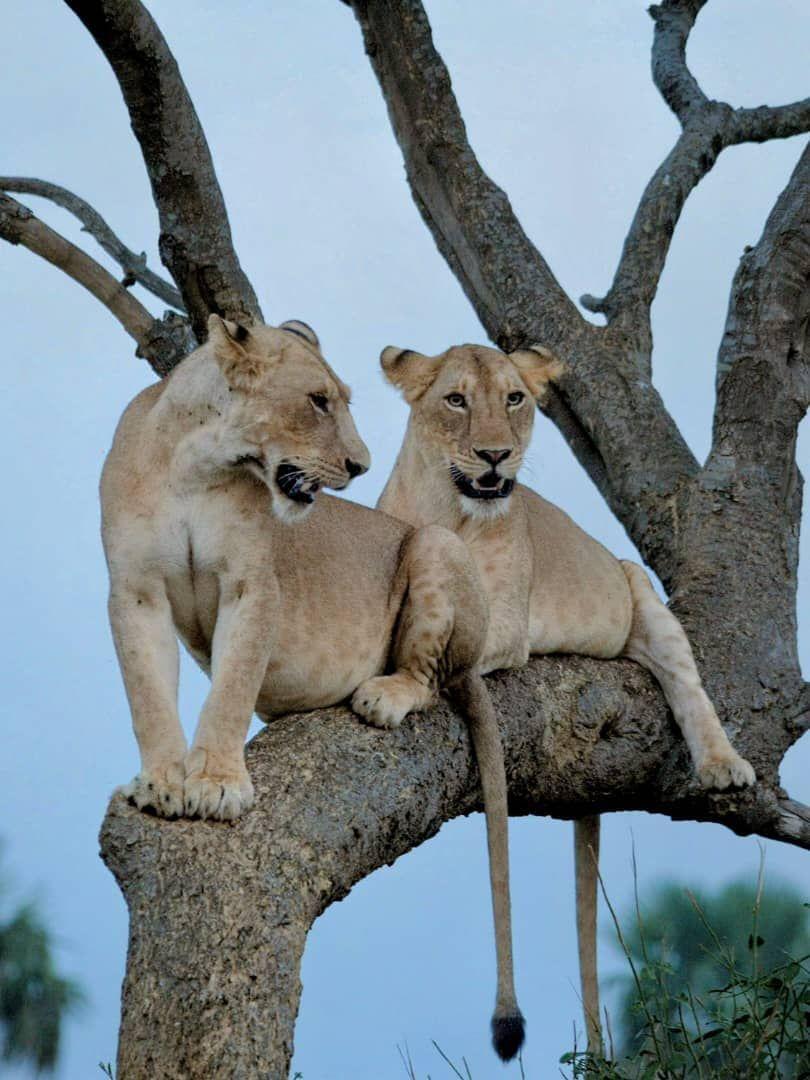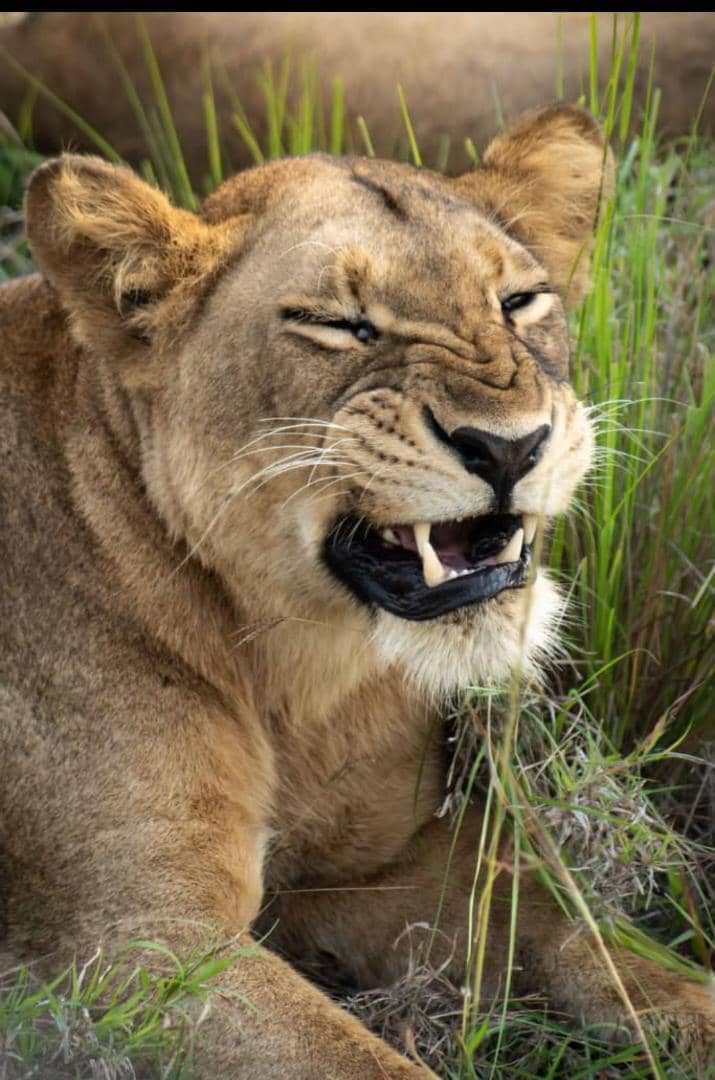
Lions resting in a fig tree in Ishasha, Queen Elizabeth National Park
Ishasha, Queen Elizabeth NP

Lions in the fig trees.

On the southern plains of Queen Elizabeth National Park, lions climb. Draped across the low limbs of ancient fig trees, they watch the herds below with unhurried curiosity. It is one of nature's rarest performances — witnessed almost nowhere else on earth.

Location
Ishasha, Queen Elizabeth NP
Best sightings
Late morning
Ideal stay
2 nights
Difficulty
Easy game drive
The story

A place that rearranges what you thought travel could feel like.

A phenomenon almost nowhere else

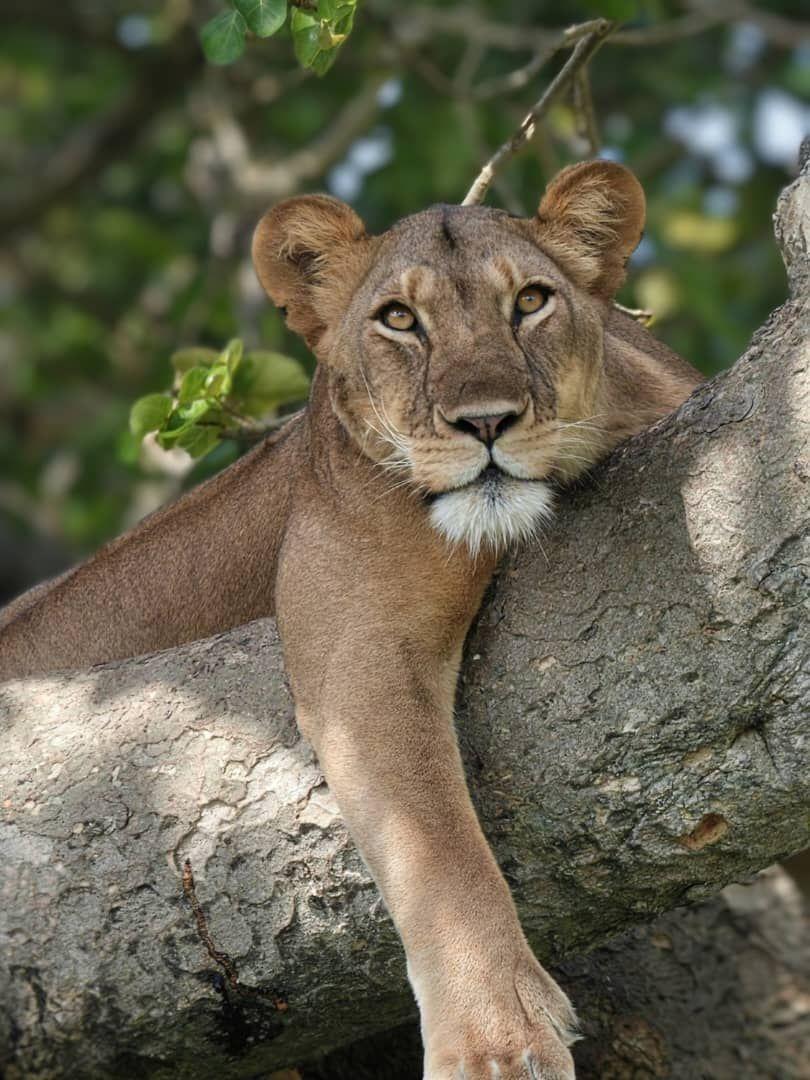
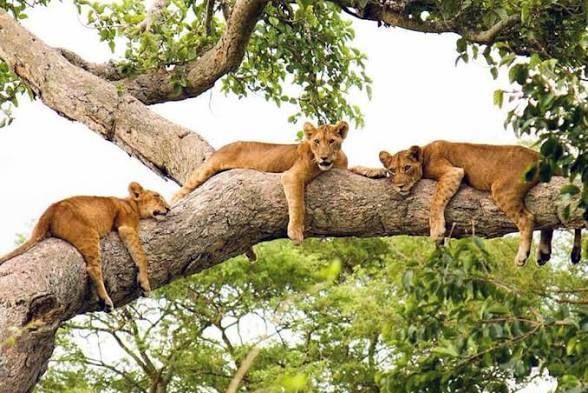
Only two lion populations in the world habitually climb trees — those of Ishasha and Lake Manyara in Tanzania. Biologists still debate why: escape from tsetse flies, cooler breezes above the plains, or simply a passed-down cultural habit. Whatever the reason, the sight of a full-maned lion asleep on a fig branch is unforgettable.
The wild south of Queen Elizabeth

Ishasha is the quieter, wilder southern sector of Queen Elizabeth National Park. Its open savannah is dotted with candelabra euphorbia and fig trees, and grazed by topi, Uganda kob, buffalo and elephant — the very reason the lions have chosen these branches as their throne.

The Kazinga connection

Most Ishasha journeys begin or end with a boat cruise on the Kazinga Channel — a slow drift past bathing elephants, hippo pods and dazzling waterbirds. It is Uganda's classic safari afternoon.

In pictures

Moments from Tree-Climbing Lions.

Tree-climbing lion in Ishasha
Lions resting in a fig tree, Ishasha
Lion cubs in the branches
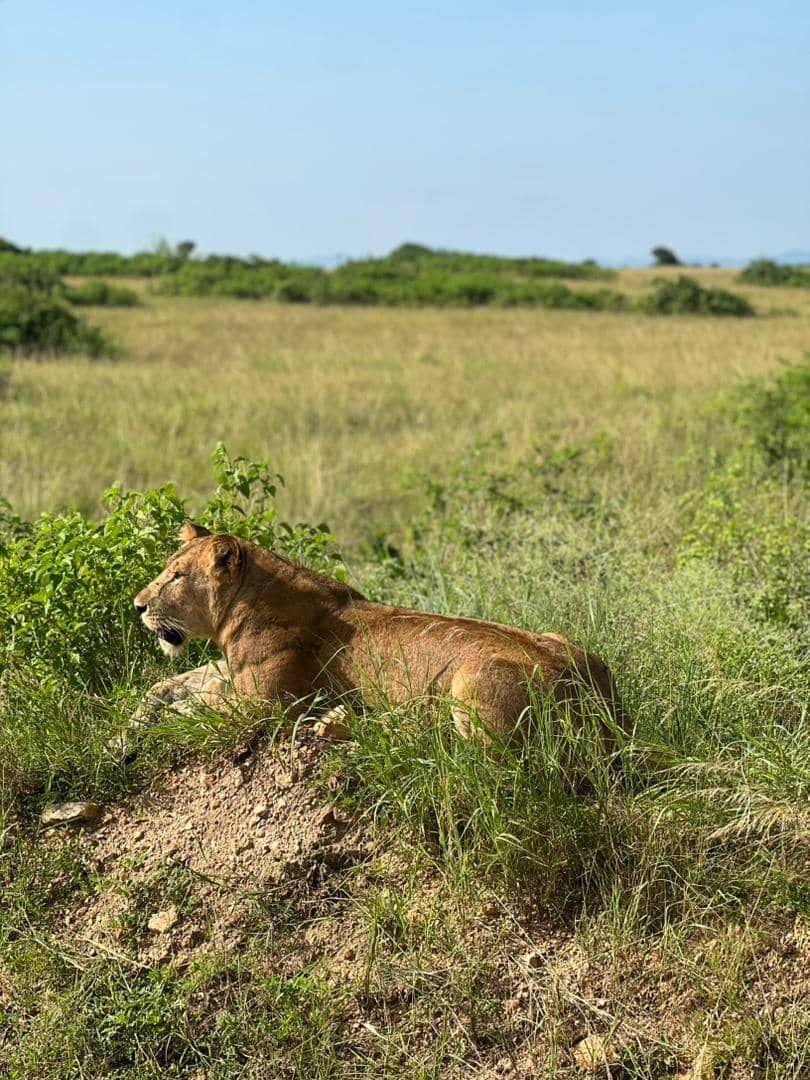
Lion resting on the Ishasha plains
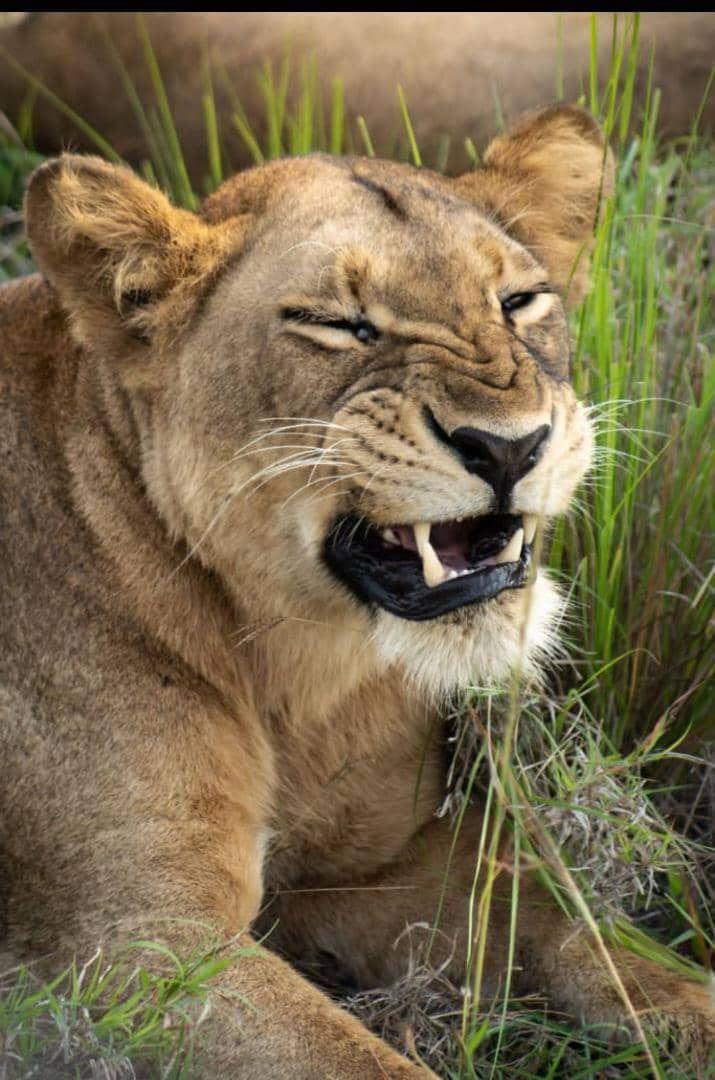
Lioness portrait, Queen Elizabeth
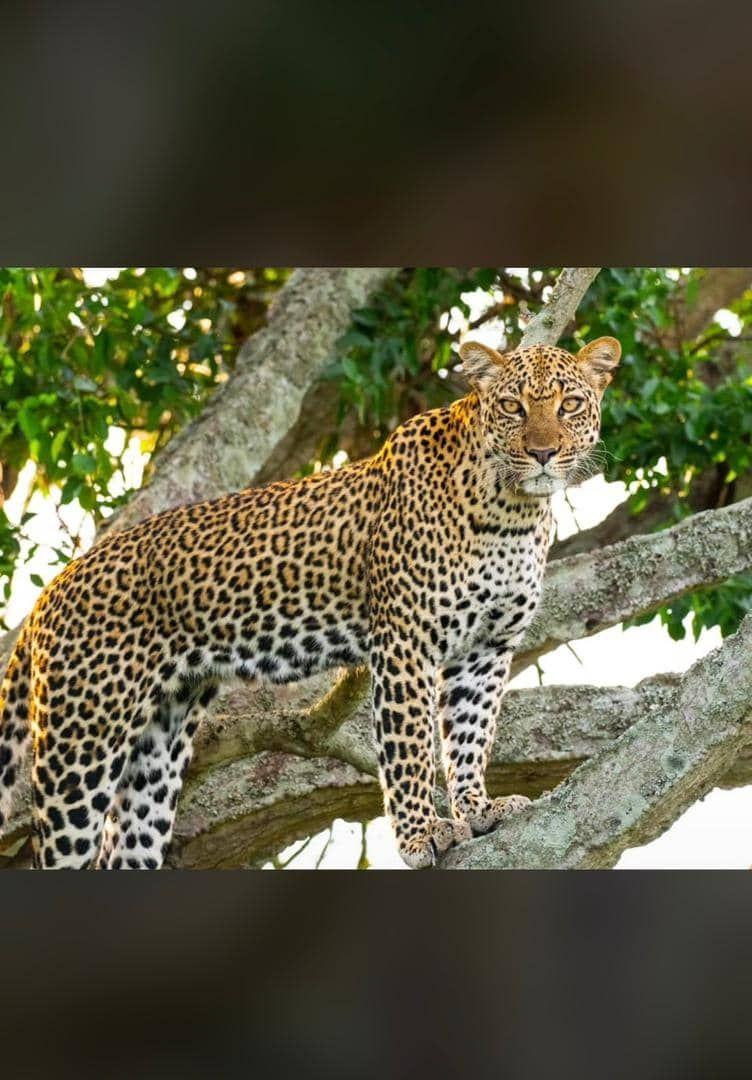
Leopard in a tree, Ishasha sector
Why travellers love it

The moments that make Tree-Climbing Lions unforgettable.

Rare wildlife spectacle

One of only two places on earth to see lions habitually climb trees.

Uncrowded plains

Ishasha remains one of Uganda's quietest, most exclusive safari sectors.

Kazinga Channel cruise

A slow boat safari past hundreds of elephants, hippos and pelicans.

Big-cat photography

Long unhurried sightings — perfect for photographers of every level.

Extend to Bwindi

Just a 3-hour drive from Bwindi — combine with gorilla trekking seamlessly.

Sunset game drives

Golden light spills across the plains as prides begin to stir.

Sample itinerary

A rhythm shaped around wonder, not schedules.

Day 01
Arrive Queen Elizabeth

Drive or fly into Mweya airstrip. Afternoon cruise on the Kazinga Channel among elephants and hippos.

Day 02
Ishasha lions

Full day of game drives across the Ishasha sector, searching the fig trees for lions and photographing the vast southern plains.

Day 03
Kyambura Gorge

Optional chimpanzee tracking in the 'Valley of Apes' before a slow lunch and sunset drive.

Day 04
On to Bwindi or Kibale

Extend south for gorilla trekking or north to Kibale's chimpanzees — Ishasha connects both effortlessly.

Best time to visit

June–September and January–February — dry season, when the grasses are low and wildlife concentrates around water. Green-season months (March–May, November) are lush and quiet, ideal for photographers.

Getting there

Fly to Mweya or Kasese airstrip (1 hour from Entebbe), or drive 6–7 hours west from Kampala through the Rift Valley. Ishasha pairs beautifully with Bwindi (3 hours south) and Kibale Forest (3 hours north).

Frequently asked

What travellers ask us most.

Where are the tree-climbing lions in Uganda?

They live in the Ishasha sector — the southern part of Queen Elizabeth National Park in western Uganda. It is one of only two places in the world where lions habitually climb trees.

Why do the lions of Ishasha climb trees?

Scientists still debate it. The leading theories are escape from biting tsetse flies on the ground, cooler breezes above the plains, and a learned cultural behaviour passed between prides.

What is the best time to see tree-climbing lions?

Late morning through early afternoon, when the heat drives lions up into the shade of the fig trees. Sightings are possible year-round but dry-season months (June–September, January–February) are most reliable.

Can I combine Ishasha with gorilla trekking?

Yes — Ishasha is only a 3-hour drive from Bwindi Impenetrable Forest, making it the most natural pairing with gorilla trekking on any Uganda safari.

Is Queen Elizabeth National Park safe?

Yes. It is one of Uganda's flagship national parks with a strong ranger presence, well-managed lodges and paved main access. All Trek Wild Uganda safaris include private guiding and 24/7 support.

Ready when you are

Let's shape your Tree-Climbing Lions story.

Tell us how you like to travel. We'll design a journey that feels entirely yours.