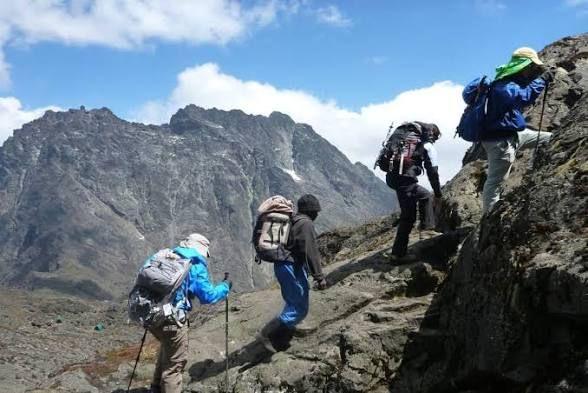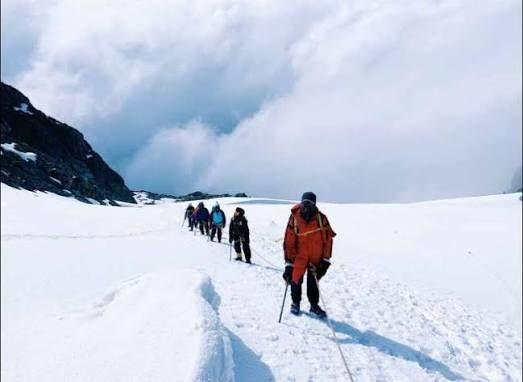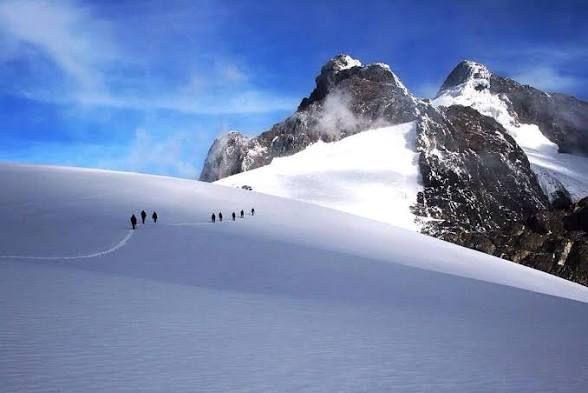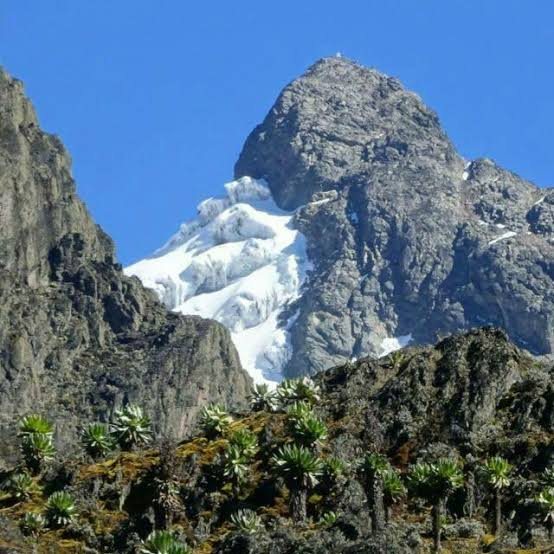
Trekkers crossing a glacier in the Rwenzori Mountains, Uganda
Rwenzori Mountains National Park

Africa's Mountains of the Moon.

A UNESCO World Heritage range on the Uganda–DR Congo border, glaciated within sight of the equator. From a gentle foothill day hike to a full glacier-crossing expedition to Africa's third-highest peak, the Rwenzori offers a version of Uganda most visitors never see.

Location
Western Uganda, DRC border
Highest peak
Margherita, 5,109m
Full trek
7–9 days
Difficulty
Moderate (day hikes) to Strenuous
The story

A place that rearranges what you thought travel could feel like.

A true mountain range on the equator

Unlike the free-standing volcanic cones of Kilimanjaro or Mount Kenya, the Rwenzori is a genuine mountain range — six glaciated massifs straddling the Uganda–Congo border, named the 'Mountains of the Moon' by the second-century geographer Ptolemy. Margherita Peak, on Mount Stanley, is Africa's third-highest summit at 5,109 metres.
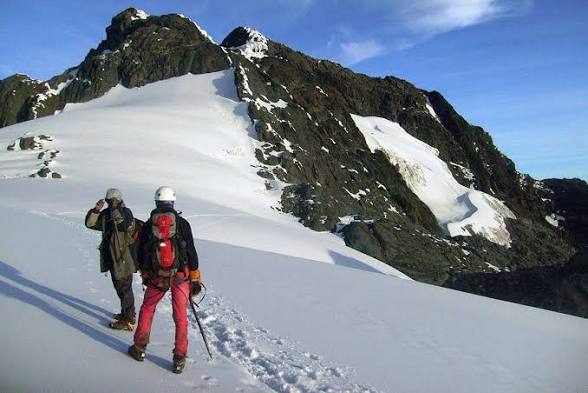
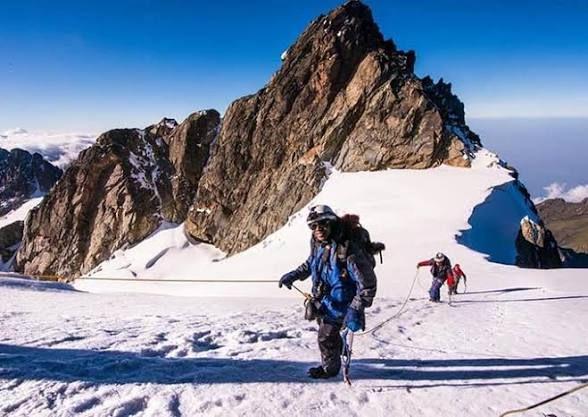
From foothill walk to full expedition

Not every visit means a summit bid. Short day hikes into the lower forest zones reach waterfalls, hot springs and viewpoints without any technical climbing, while the full 7–9 day Central Circuit or Kilembe Trail expeditions cross glaciers, bogs and five distinct vegetation zones on the way to Margherita's summit.

A landscape worth hurrying for

The Rwenzori's glaciers have shrunk dramatically over the past century and continue to recede with a warming climate. What remains is still extraordinary — snow and ice within sight of the equator — but this is a landscape whose signature feature genuinely may not last, which makes trekking it now feel less like a bucket-list item and more like a small act of witness.

In pictures

Moments from Rwenzori Mountains.

Hiking the Rwenzori Mountains
Snow on the Rwenzori ridges
Rwenzori Mountains trekking route
Hikers in the Rwenzori
Rwenzori high camp country
Moments in the Rwenzori
Rwenzori Mountains National Park
Why travellers love it

The moments that make Rwenzori Mountains unforgettable.

Africa's third-highest peak

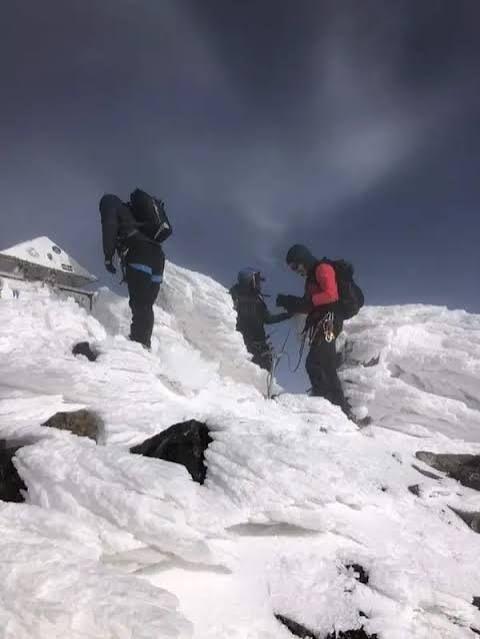
Margherita Peak, 5,109m, reached via glacier travel and fixed ropes on the final approach.

Five vegetation zones

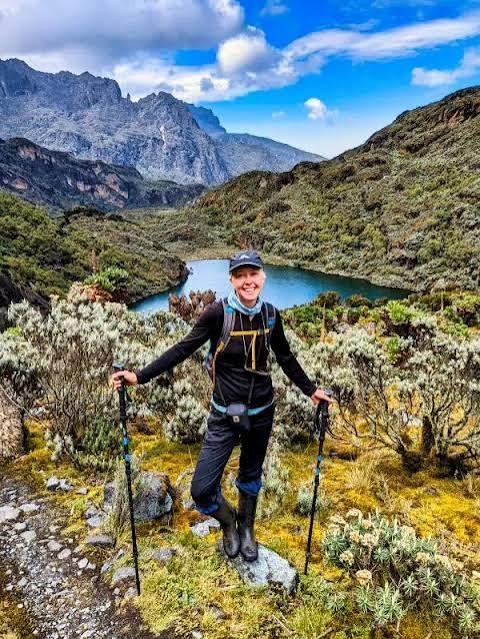
Montane forest, bamboo, heather-giant lobelia moorland, alpine and glacial zones in a single trek.

Foothill day hikes

Waterfalls, hot springs and viewpoints reachable without any technical climbing or multi-day commitment.

Genuinely uncrowded

A fraction of the visitor numbers of Kilimanjaro or Mount Kenya, on comparably dramatic terrain.

UNESCO World Heritage status

Recognised for its unique afro-alpine ecosystems and glaciated peaks.

Local Bakonzo guides and porters

Every trek supports the mountain communities whose knowledge makes the route possible.

Sample itinerary

A rhythm shaped around wonder, not schedules.

Day 01
Fort Portal → Rwenzori foothills

Arrive at the trailhead region, meet your guides and porters, and settle in ahead of tomorrow's ascent into the forest zone.

Day 02–03
Into the mountains

Trek up through montane forest and bamboo into the heather zone, climbing steadily through the range's distinct vegetation bands.

Day 04+
Summit push or turnaround

Full expeditions continue toward Margherita's glacier and summit; shorter itineraries turn back from a high viewpoint for a lighter, equally scenic trek.

Best time to visit

June–August and December–February bring the clearest, driest conditions for both summit attempts and shorter day hikes. Expect rain and mud in any season — this is one of the wettest ranges in Africa.

Getting there

Fly into Entebbe International Airport, then drive roughly 5–6 hours west to the Kasese or Kilembe trailheads, or connect via a short domestic flight to Kasese airstrip followed by a short transfer.

Frequently asked

What travellers ask us most.

How long does it take to summit Margherita Peak?

Most operators run 7–9 day expeditions to Margherita Peak (5,109m), Africa's third-highest summit, with a couple of extra days improving acclimatisation and your odds of a clear-weather summit attempt. Shorter 2–5 day low-altitude treks are also available for those who want the scenery without the technical climb.

Do I need mountaineering experience?

The final push to Margherita Peak involves glacier travel, fixed ropes and some scrambling — you don't need prior mountaineering experience, but a good level of fitness is essential. Lower routes and shorter treks require no technical skill at all.

Are the glaciers still there?

Yes, though reduced. Climate change has shrunk the Rwenzori's glaciers significantly over the past century, and they continue to recede. They're still visible near the highest peaks today, but this is very much a 'see it while you can' landscape.

What does a Rwenzori trek cost?

Full Margherita Peak expeditions typically run from around USD 1,300–1,900 per person depending on route, group size and duration, plus a separate Uganda Wildlife Authority park entrance fee of USD 35 per day. Shorter, lower-altitude treks cost considerably less.

When is the best time to trek the Rwenzori?

June to August and December to February bring the driest, clearest conditions. The Rwenzori's high year-round rainfall means trails are muddy in any season — good gaiters and rain gear matter whenever you go.

Ready when you are

Let's shape your Rwenzori Mountains story.

Tell us how you like to travel. We'll design a journey that feels entirely yours.