Chasing the Shoebill
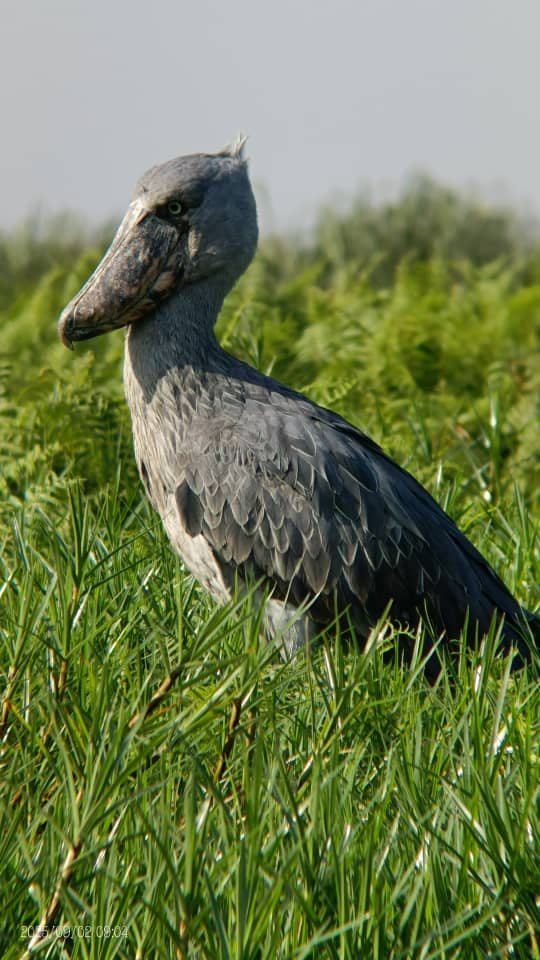
There is no elegant way to describe a shoebill. It stands over a metre tall, grey and prehistoric, with a bill shaped — genuinely — like a Dutch clog, hooked at the tip into something between a beak and a weapon. Birders travel across continents for it. Everyone else usually needs the photo explained twice.
Finding one means an early start: a narrow canoe, paddled rather than motored, threading through the papyrus swamp fringing the Nile's delta before the day's heat sends the birds into deeper cover. Shoebills hunt by standing motionlessly for hours at a stretch, waiting for a lungfish or baby crocodile to surface within striking distance, and that same stillness makes them maddeningly easy to paddle straight past.
When you do find one, it rarely startles. Shoebills seem entirely unbothered by an approaching canoe, tracking it with a slow, faintly unimpressed swivel of the head that has earned them a reputation as one of the most photogenic — and least expressive — birds on the continent.
Fewer than 1,300 mature shoebills are thought to remain across their entire range, most of them across the wetlands of the Nile basin and central Africa, which makes Murchison's population a genuinely significant one rather than a roadside curiosity. It's a quiet morning that tends to stay with people — not for drama, but for the strangeness of something so still.