Coffee, from Bean to Fire
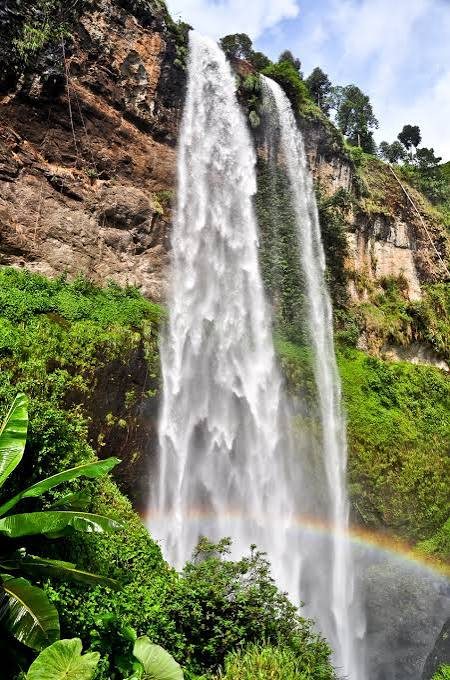
Uganda has been growing coffee for longer than most drinkers assume — long enough that wild coffee forests still exist in parts of the west, predating the commercial plantations entirely. But it's the terraced slopes of Mount Elgon, around Sipi, where the arabica story is easiest to see start to finish, in a single morning, on foot.
It starts with picking — only the ripest cherries, deep red, chosen by hand from bushes that a farming family may have tended for three generations. From there the cherries are pulped to remove the outer skin, fermented for a day or two to loosen the sticky mucilage beneath, washed, and laid out to dry on raised beds in the sun. Nothing here is automated. Every step still happens by hand, by eye, by taste.
The last stage is the one visitors usually get to join: roasting over an open flame in a blackened pan, the beans stirred constantly to keep them from scorching, the smell turning from grassy to nutty to something close to chocolate in the space of about fifteen minutes. Ground with a wooden mortar, brewed in a battered kettle, it tastes noticeably different from anything that's travelled — brighter, a little wilder, closer to the fruit it started as.
For the families who grow it, coffee is less a commodity than a savings account with roots — a crop that pays school fees and buys land, one harvest at a time. Buying a bag directly from a cooperative near Sipi, rather than a supermarket shelf back home, means a far larger share of that money actually stays on the mountain where it was grown.
“Nothing here is automated. Every step still happens by hand, by eye, by taste.”