Uganda's Two Dry Seasons, Explained
First-time visitors researching 'best time to visit Uganda' often get confused by conflicting answers, and the reason is simple: Uganda's straddling of the equator gives it two distinct dry seasons and two distinct wet seasons every year, rather than the single dry/wet split more familiar from southern or eastern African itineraries.
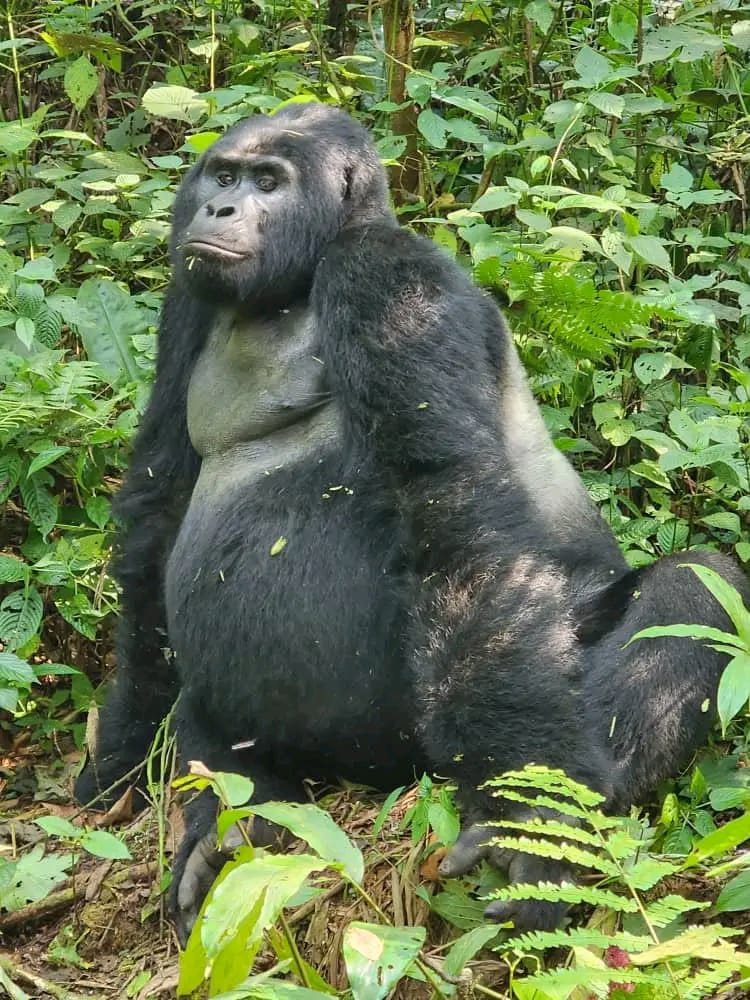
The long dry season runs roughly June through August, and the short dry season from December through February — both bring firmer trails, easier gorilla trekking, and better game-drive visibility, which is why they're also the busiest and most expensive months to book. The long rains fall March through May, and the short rains September through November, both of which soften trails and thin out other travellers, sometimes considerably.
What surprises people most is how liveable the 'wet' seasons actually are. Uganda's rain rarely settles in for the day — it's typically an intense afternoon shower followed by clear skies, rather than the grey, all-day drizzle some visitors picture. Gorilla trekking and most game drives continue through the rains with a bit more mud and a lot more room to yourself.
The practical upshot: if flexibility and lower rates matter more than dry trails, April, May and November are worth serious consideration — several parks and gorilla permits even carry a discounted low-season rate during these months. If comfort and easier hiking conditions matter more, book the dry months early; they sell out months in advance.