Walking Safaris
Uganda, at the pace your own feet set.
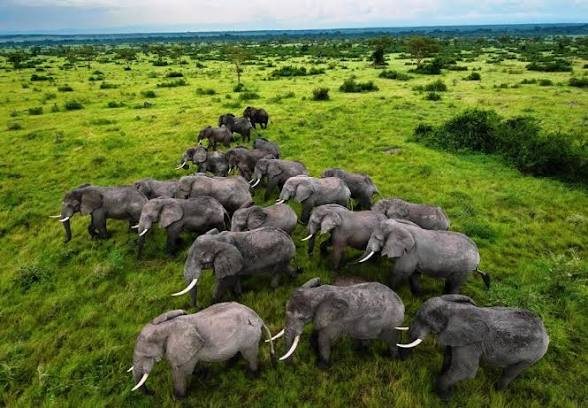
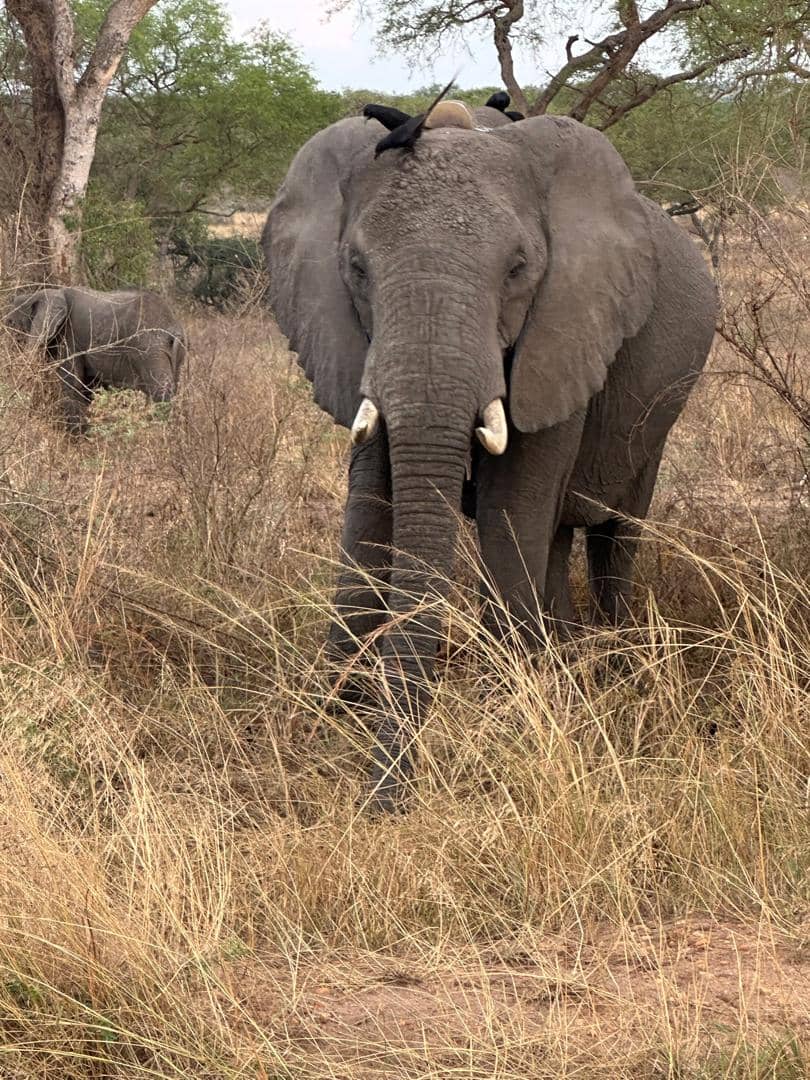
Most of Uganda's parks restrict walking because of elephant and lion populations — but where it's allowed, it's an entirely different way to experience the country, from an easy morning walk among zebra to a multi-day trek across a volcanic caldera.
Lake Mburo, the exception
Without elephants or lions, Lake Mburo is the one Ugandan park where guided walking and horseback safaris among zebra, impala and eland are simply routine, not a rare special activity.
Forest walks and treks
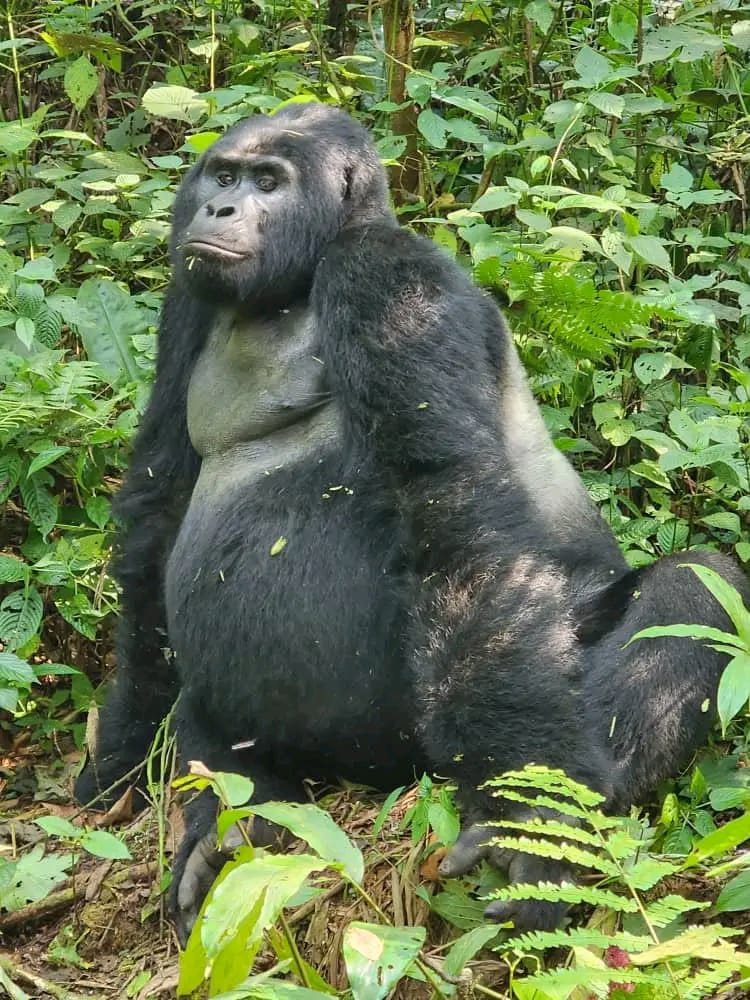
Guided nature walks thread through Bwindi and Kibale's lower trails for birding and smaller wildlife without a full trekking permit, while multi-day treks in the Rwenzori and Mount Elgon turn walking into the main event — several days of trail through changing vegetation zones.
Community and cultural walks
Batwa Trail walks near Bwindi and Mgahinga, and Karamojong village walks near Kidepo, extend walking safaris beyond wildlife into guided cultural encounters with the communities living alongside these parks.
The only park where walking among plains game is routine.
Rwenzori and Mount Elgon summit routes, several days of trail on foot.
Lower-impact walks through Bwindi and Kibale's edges, without a trekking permit.
A guided cultural walk retracing forest life with the region's original inhabitants.
A gentler multi-waterfall walk on Mount Elgon's lower slopes.
Karamojong and Batwa community encounters on foot, guided by local hosts.
Is walking safe in Uganda's parks?
Where it's officially permitted — Lake Mburo, guided forest trails, and mountain treks — yes, always with an armed ranger or experienced guide. Most parks restrict free walking specifically because of elephant and lion risk.
Do I need special fitness for a walking safari?
A Lake Mburo walk or forest nature walk needs only basic fitness. A multi-day Rwenzori or Mount Elgon trek requires genuine hiking fitness given the duration and altitude gain.
Can I combine walking safaris with gorilla trekking?
Yes — the Batwa Trail near Bwindi is a popular pairing, done either the day before or after a gorilla trek.