Photography Safaris
Guides and vehicles set up for the shot, not just the sighting.
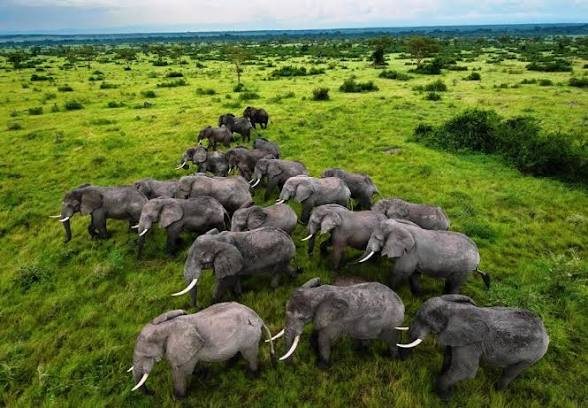
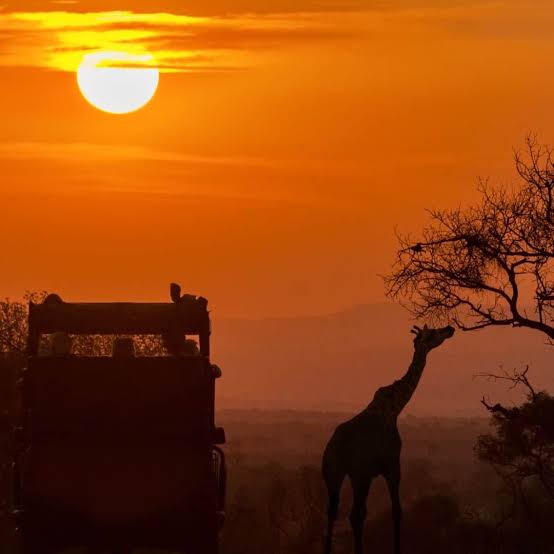
A photography safari isn't just a regular game drive with a bigger lens — it means guides who understand light and positioning, timing built around dawn and dusk rather than meal schedules, and a route chosen for scenery as much as sightings.
Guiding built around the shot
Photography-focused guides position vehicles for light and angle rather than the closest approach, hold sightings longer instead of moving on, and understand when to stay quiet and wait for behaviour rather than rushing the encounter.
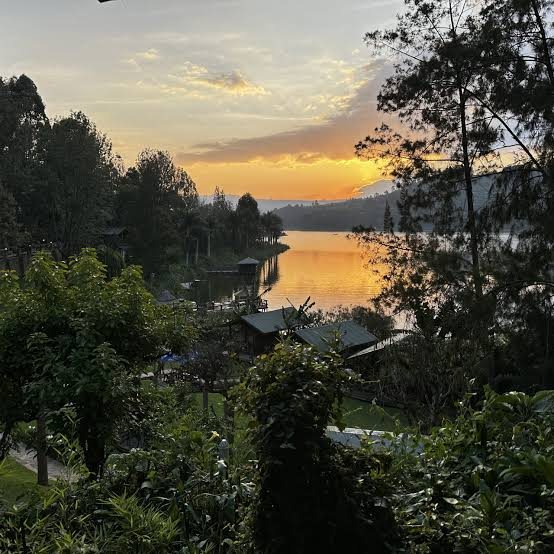
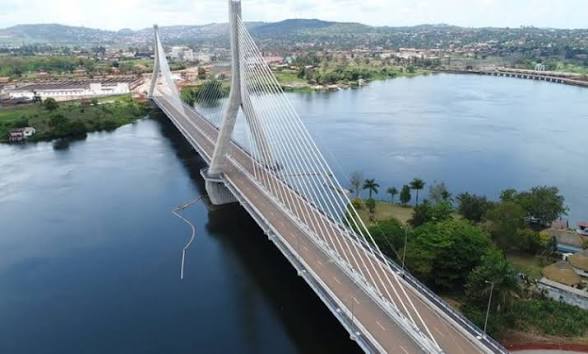
Uganda's most photogenic landscapes
The Nile exploding through Murchison Falls' gorge, mist rising off Bwindi's ancient canopy, tree-climbing lions silhouetted in Ishasha's fig trees, and the Rwenzori's glaciers on the equator — Uganda's landscapes do a lot of the work before a single animal enters the frame.
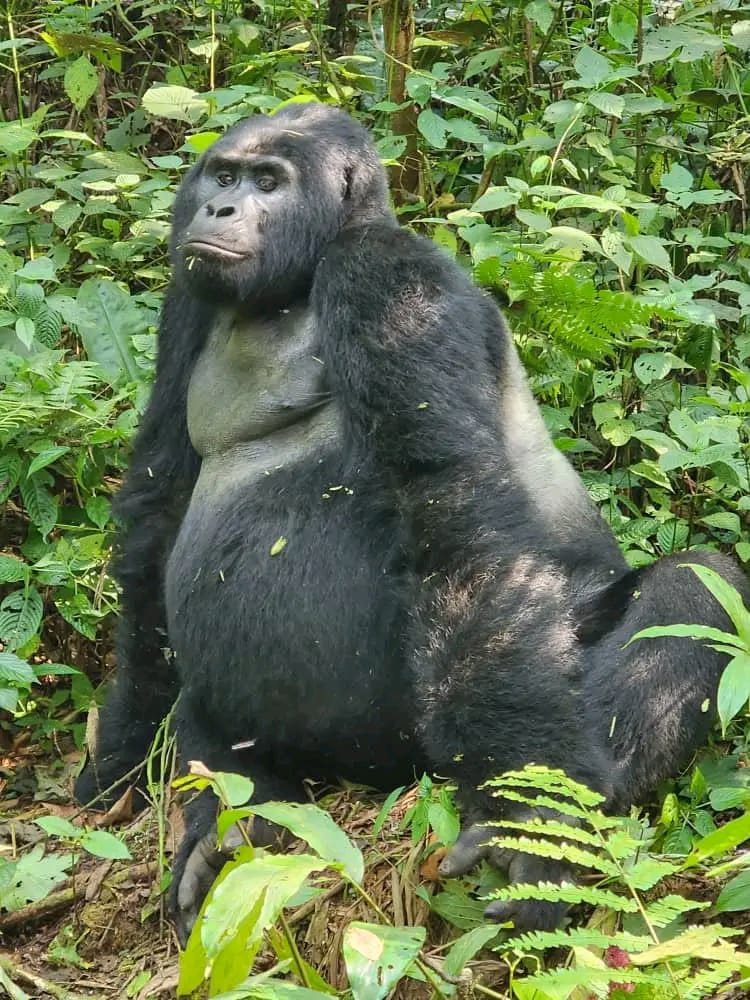
Gorilla and chimp photography
Low light under dense forest canopy makes primate photography genuinely technical — we brief photographers in advance on lens choice and settings, and where permit rules allow, request positioning that favours a clean shot without disturbing the family.
Positioning for light and angle, not just proximity.
Built around golden hour, not standard meal or transfer schedules.
No rush to move on once a scene is working.
Murchison's gorge, Bwindi's mist, the Rwenzori's glaciers.
Lens and settings advice for Bwindi and Kibale's dense forest canopy.
Full control over positioning without sharing a sighting with other guests.
Do I need a private vehicle for photography?
It's strongly recommended — sharing a vehicle means compromising on positioning and timing to suit other guests' preferences.
Can I bring professional camera equipment on gorilla treks?
Yes — most photographers bring a mid-range zoom rather than heavy telephoto gear, given the close range and dense, low-light forest conditions.
Is there a separate photography permit for gorillas?
No separate permit is required for standard photography; flash is prohibited around gorillas to protect their eyes, so low-light technique matters more than equipment.