Birding Safaris
Over 1,000 species in one country — Africa's single best birding destination.
Uganda holds over 1,000 recorded bird species in a country roughly the size of the United Kingdom — more than Kenya and Tanzania combined, packed into an unusually short list of accessible sites. For serious birders, it's not a side activity to a safari; it's the reason to come.
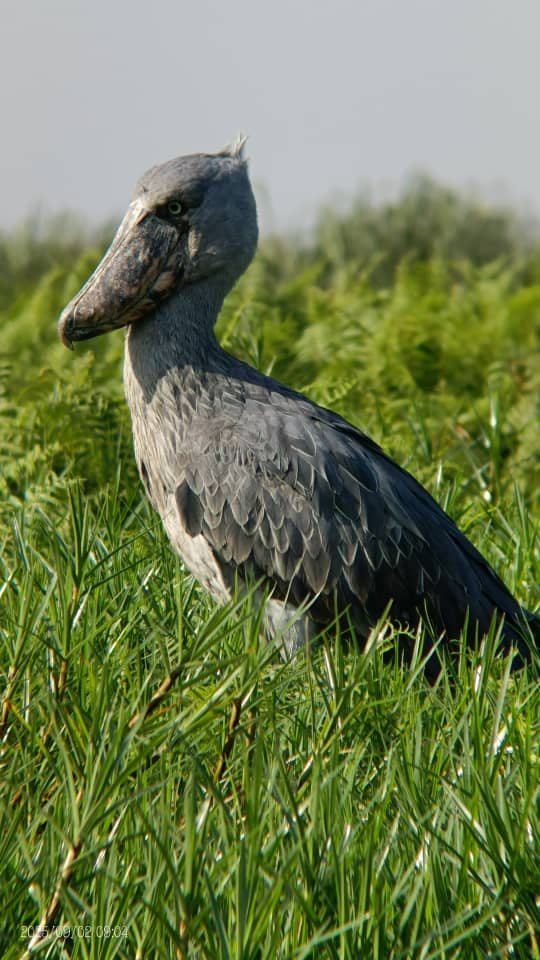
The shoebill, Uganda's headline bird
Tall, prehistoric-looking and famously still, the shoebill stork draws birders specifically to Mabamba Swamp near Lake Victoria and the Nile delta at Murchison Falls, both reached by a quiet guided canoe or boat through papyrus wetland.
Albertine Rift endemics
Bwindi and the Rwenzori foothills hold species found nowhere else on Earth — part of the Albertine Rift's unusually high endemism, a draw for birders who've already covered East Africa's more common circuits.
A different bird list in every region
Semuliki's Congo-basin lowland forest holds species shared with Central Africa rather than East Africa; Queen Elizabeth's savanna and channel add raptors and water birds; Kidepo's dry savanna adds species found nowhere else in Uganda.
A quiet canoe trip near Lake Victoria for Uganda's most sought-after bird.
More than any other country in Africa, in a compact geographic area.
Species found nowhere else on Earth, concentrated in Bwindi and the Rwenzori.
A bird list shared with Central Africa, unlike anywhere else in Uganda.
Pelicans, kingfishers and fish eagles alongside the channel's hippo population.
Guides who work birding-specific pacing rather than a standard game-drive schedule.
When is the best time for birding in Uganda?
Birding is strong year-round, but November–April adds Palearctic migrants to the resident species, making it the peak season for the longest possible checklist.
Do I need a specialist guide?
For a serious birding trip, yes — we pair birding itineraries with guides who specialise in bird identification and calls, rather than a standard safari guide.
Is the shoebill guaranteed?
No wild sighting is ever guaranteed, but Mabamba Swamp and the Murchison Falls delta offer consistently good odds given local knowledge of current nesting and feeding areas.